
When Lorraine, a cardiac nurse, dialled 999 in April 2025, she knew her husband, Paul, needed help – and fast.
It started out as an ordinary evening at home. Paul had gone upstairs as usual to read in bed, while Lorraine stayed downstairs watching television. But within seconds, their world was turned upside down. Lorraine heard floorboards creaking upstairs as Paul got out of bed, and then a loud groaning sound. She immediately knew something was very wrong.
Lorraine explains: “I rushed upstairs and found Paul collapsed on the landing. He wasn’t breathing and I couldn’t feel his pulse. I’d taken my mobile phone upstairs with me – I dialled 999 and immediately started doing CPR on Paul.”
The 999 call
Lorraine’s 999 call was answered by Emergency Medical Advisor Sim Rana. Within seconds, Sim established that Paul was in cardiac arrest and arranged for an immediate ambulance response. Sim stayed on the phone with Lorraine, supporting her to continue chest compressions on Paul while ambulance staff were dispatched to the scene.
By starting CPR in those critical minutes before ambulance staff arrived, Lorraine gave Paul the best possible chance of survival.
Reflecting on this moment, Lorraine shared:
“I’ve been a nurse for over thirty years, but I’d never had to do CPR outside of training. Doing it for the first time on someone you love is the hardest thing. But in that moment, you don’t think, you just act. I remember Sim was there on the phone the whole time, helping me keep a good rhythm and keeping me calm.”
Sim remembers taking the call. “Lorraine was incredible. By calling 999, starting compressions, and staying calm, she did everything she needed to. I could tell from her voice and breathing that she was doing excellent compressions – she was working so hard and I was proud of her. I honestly thought she was amazing.”
A race against time
As soon as Sim had established that Paul was unconscious and not breathing, the team in the Emergency Operations Centre began allocating ambulance staff to attend. Dispatchers identified the closest colleagues to the scene who could provide the care that Paul needed. The Critical Care Desk and HEMS desk prepared to dispatch a helicopter if required.
Seconds later, ambulances were travelling to the scene on blue lights. Paramedic Joanna Haynes and Divisional Senior Clinical Leader Dave Barton were first to arrive, within minutes of Lorraine calling 999. They were followed, moments later, by ambulance crew, Paramedic David King and Technician Rajvinder Kaur, and Specialist Paramedic Adrian Utting.
Adrian recalls the scene: “Lorraine and Paul were on the small upstairs landing. Lorraine had been doing chest compressions on Paul up until the moment we arrived and there is no doubt in my mind that the quality of her compressions put us in the best position to resuscitate him. We took over from Lorraine and got to work trying to save Paul.”
Lorraine reflects on this moment: “Once the ambulance arrived, I knew Paul was in the best hands. They took over chest compressions and I just stood back and watched them work. I felt like I was floating outside of my body. I was in complete shock. But they were so calm and in control and knew exactly what to do. Watching them was incredible – it gave me real confidence in that moment. I’ll always remember that feeling of relief and amazement as I watched them work.”
Joanna, Dave, David and Rajvinder worked together to restart Paul’s heart – and they were successful.
When they were confident Paul was stable, he was taken to the ambulance and conveyed by David and Rajvinder to Glenfield Hospital in Leicester. There Paul spent several days in a coma in intensive care.
At first, the outlook was devastating. Because the cardiac arrest had caused Paul’s heart to stop pumping blood around his body, doctors did not know the full extent of the impact on Paul’s brain. They warned Lorraine that his condition was critical and that he might not wake up.
After days of uncertainty came a moment that Lorraine will never forget.
“The doctors had just given us the worst imaginable news – that Paul might never wake up again. We arrived at the hospital one morning expecting the worst, and there he was — sitting up in bed and smiling, and he said to me ‘I’m alright, kid.’ It honestly felt like a miracle. After everything we’d been told, I never expected to see him sitting up and talking again.”
Eight months that meant everything
Paul’s recovery was long and challenging. But against the odds, he came home to Lorraine and their family – their two children, Michelle and Carl, and their three young grandchildren, Lucas (aged 10) and Emelia (aged 7), and River (aged 8).
Thanks to the rapid response of EMAS crews and Lorraine’s immediate CPR, Paul had been given a second chance. He went on to spend another eight happy months with his family.
Lorraine reflects on this time: “Those eight months meant everything to us. It was time we never thought we’d have — time to talk, to be together, to make more beautiful memories with our children and grandchildren. That’s something we’ll always be thankful for.”
Sadly, Paul passed away peacefully and unexpectedly in his sleep several months after leaving hospital. But for Lorraine and her family, those additional months together at home meant everything.
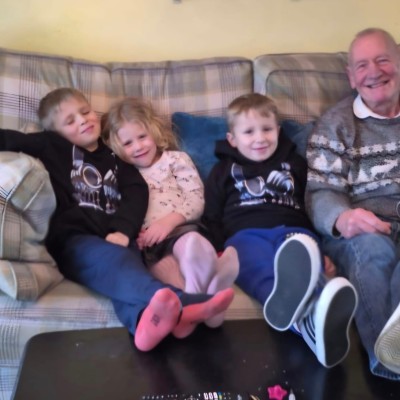
Paul and his grandchildren at home
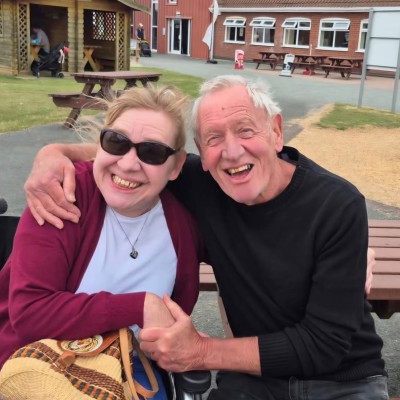
Paul and his daughter Michelle on a day out
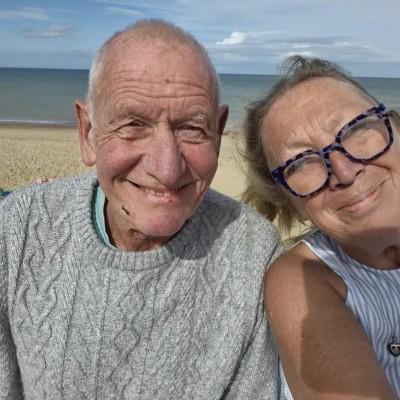
Paul and Lorraine at the beach
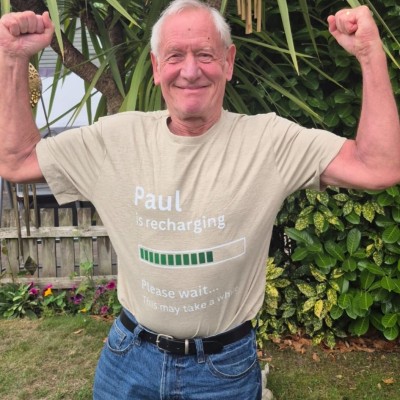
Paul rebuilding his strength
Saying thank you
In the middle of their loss, Lorraine and her family wanted to recognise the care Paul had received and say thank you to the people who had given them more time together.
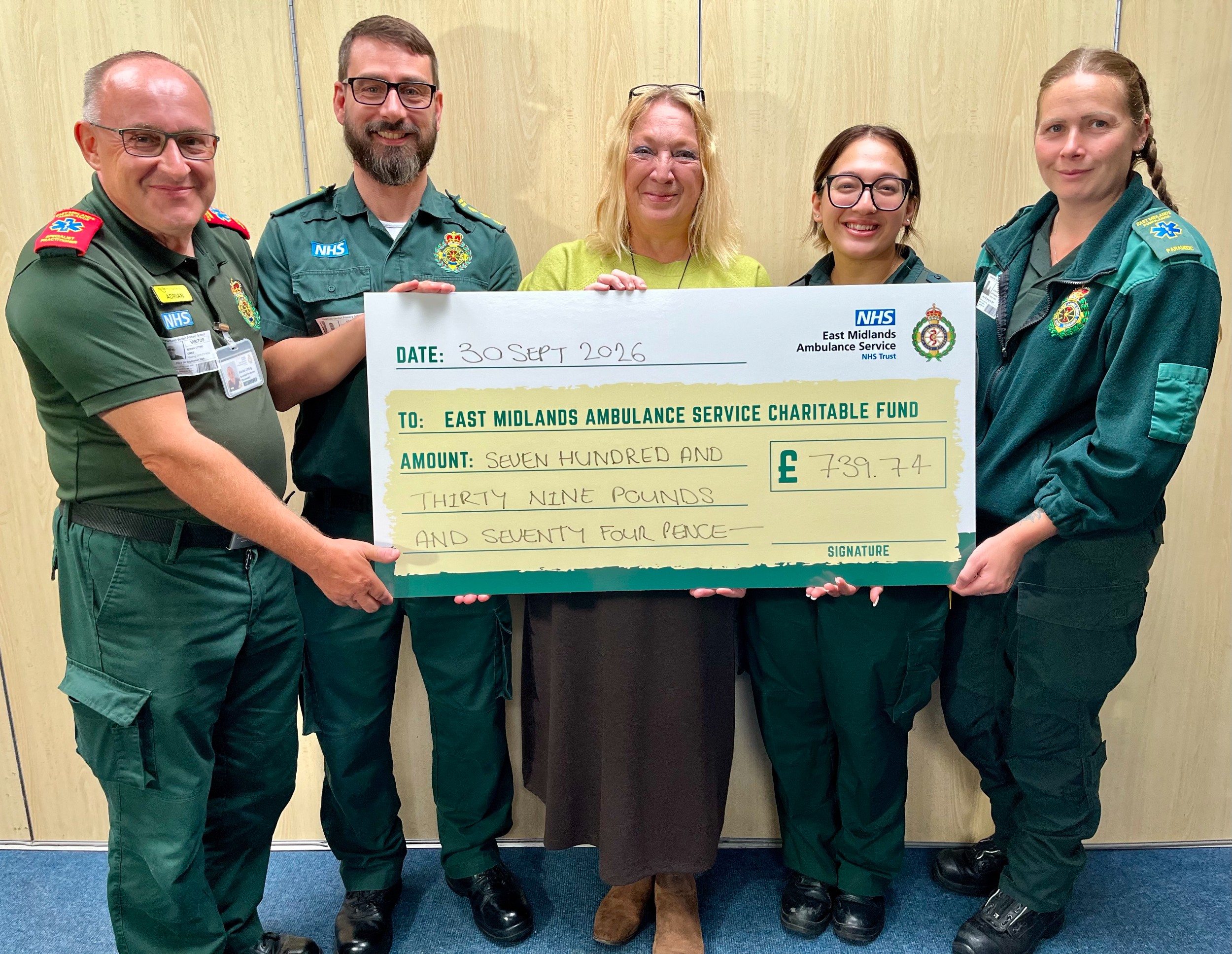 They gifted donations from Paul’s funeral to the EMAS Charitable Fund. In total, they gave £739.74 to EMAS in Paul’s memory.
Lorraine said: “We just wanted to say thank you. What the ambulance crews did for Paul – for all of us – it means more than we can put into words. Donating in Paul’s memory felt like the right way to say thank you for everything they did that day.”
For the staff involved in Paul’s care, the family’s donation is a reminder of the value of their work and the compassion they show to patients and families every single day.
Susannah Ashton, Divisional Director for Leicester, Leicestershire and Rutland, said: “We are so grateful to Lorraine and her family for their kindness and incredible generosity at such a difficult time in their lives. Their decision to support the EMAS Charitable Fund in Paul’s memory is greatly appreciated and means a lot to all the staff involved in Paul’s care and the wider team. We are also thankful to them for sharing such a personal experience and important message about CPR in the hope it may help others and enable other families to have more time together.”
Why learning CPR is so important
Lorraine and Paul’s story demonstrates the importance of learning CPR.
Sim, who answered Lorraine’s 999 call, explains: “We often get 999 calls for cardiac arrests. The reality is that many callers don’t know how to do CPR. My role in that situation is to support them to start compressions as soon as possible, until the ambulance crew takes over. The difference with Lorraine is that she already knew how to do CPR and she’d started compressions as soon as she called 999. That made all the difference to Paul. The truth is, as soon as you can start CPR, the better chance that patient has of survival.”
Dave Barton, who cared for Paul, agreed: “Lorraine’s quick thinking, and her ability to start CPR on Paul before we arrived, meant that we were in the best position to get Paul’s heart beating on its own again.”
“A cardiac arrest can happen to anyone anywhere at any time. In this case, it happened to Paul at home and, like Lorraine, you may be the only person who can help. Acting quickly and starting CPR can improve that person’s chances of survival by bridging the gap whilst the emergency services are on their way. Don’t hesitate – the 999 call handlers will support you until help arrives.”
“We all owe it to our loved ones to learn CPR. You never know if they might need you to use those skills to save their life.”
Lorraine sums up her reason for sharing her story: “Talking about losing Paul is hard. But if talking about what happened to us encourages even one more person to learn CPR, then it’s worth it. Please learn CPR – it gave me extra time with someone I love, and it might one day do the same for you.”
Through their kind donation, and their willingness to share their story, Lorraine and her family are helping to ensure that more people understand the life-saving importance of CPR and the difference that our incredible ambulance staff make to lives across the East Midlands every day.
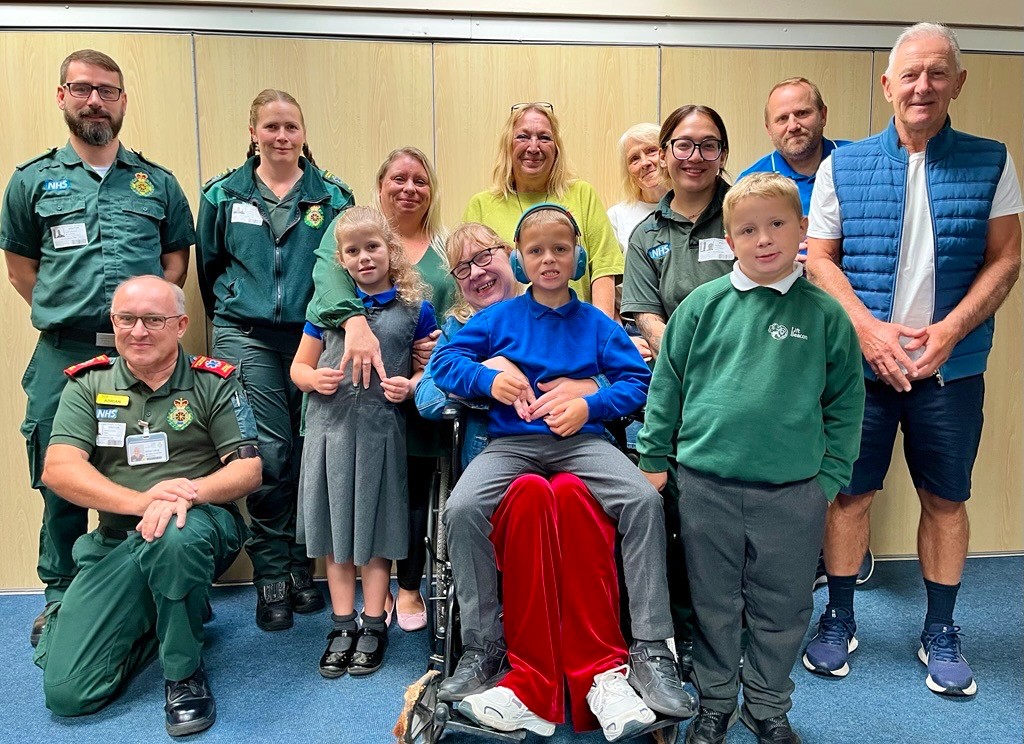
EMAS Charitable Fund
Every day, our staff respond to people in their time of need.
Donating to EMAS Charitable Fund is just one way that you can choose to say thank you for the care that you or a loved one received.
Find out more