
You’ve called 999 because you are worried about yourself or someone else. You may expect the next step to be an ambulance, but sometimes an experienced clinician in our control room will call you back to understand more about what has happened and the care you need.
That clinician will be part of our Clinical Hub, which includes paramedics, nurses and mental health practitioners. An emergency ambulance may still be the right response. But, following further assessment, there may be another safe and appropriate way to help, keeping an emergency ambulance for a patient experiencing life-threatening symptoms.
Frontline paramedics Oli Bere and Luke Green had the opportunity to work in the Clinical Hub, seeing how some patients can be helped safely and quickly without an emergency ambulance.
As part of International Control Room Week (26 October to 1 November 2026), they’re sharing their findings on this vital element of modern ambulance care.
When an ambulance isn’t the only way to help
A patient who receives a call back from our Clinical Hub is speaking to an experienced healthcare professional. They will ask questions to better understand what is happening and consider what care is right for that person.
Luke said the call is about making sure each patient receives the care that is right for them: 
“Calling 999 doesn’t always mean an ambulance is the most appropriate response, but your concerns are always being taken seriously.
“The Clinical Hub allows experienced clinicians to further assess patients and identify the most appropriate care for their needs.”
During his time in the Hub, Luke saw patients supported through their GP, urgent treatment centres and other healthcare services following further assessment.
That support is being provided on a significant scale, with the Clinical Hub now managing around 20,000 calls each month that would have required an ambulance response.
EMAS has also invested in expanding the Clinical Hub. Last year, more than 50 additional clinicians were recruited to the team, increasing the number of experienced healthcare professionals available to assess and support patients.
Building a clinical picture over the phone
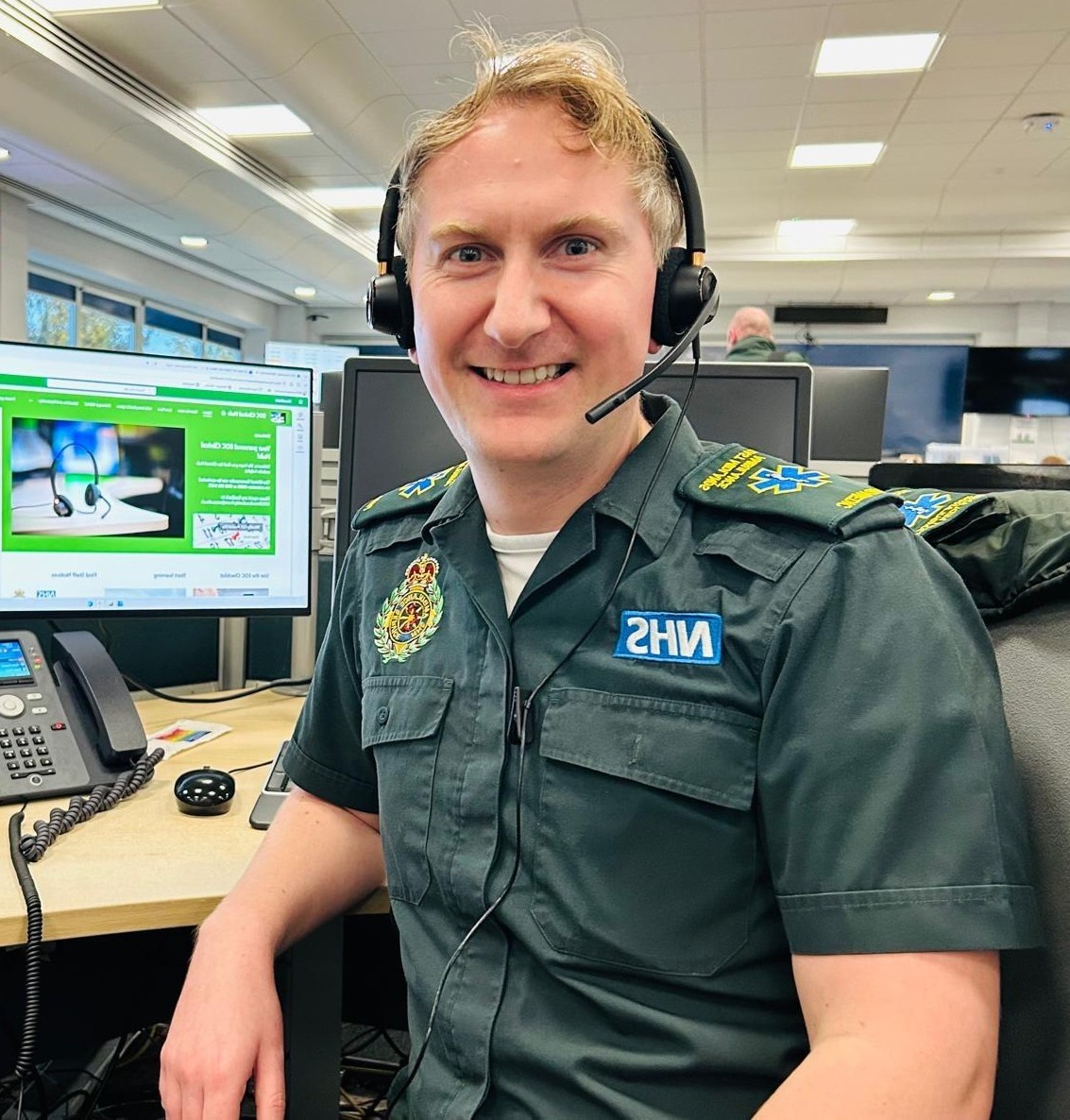 When a clinician from the Clinical Hub calls a patient, they will ask questions to understand their condition.
This further assessment does not mean an ambulance has been ruled out. If the clinician determines that an ambulance is the right response, one can still be sent. But if another option is more appropriate, the patient can be supported to get the care they need without waiting for an emergency ambulance.
Oli said: “We understand this may feel like additional questions are delaying help, or sometimes you may feel that you are not getting the ambulance you thought you might need.
“It is really important that we explore the nature of the call further so our patients can get the right care.”
Helping more than one patient at a time
For Oli, one insight from his time in the Clinical Hub particularly changed how he viewed its impact.
He saw how some patients received home-care advice or got referred to other healthcare services to reach the care they needed.
He said: “Each time we can do this, it can help two patients at once: one gets the care they need through a more appropriate service, while an ambulance that might otherwise have been sent to them remains available for someone facing a life-threatening emergency.”
For Oli and Luke, spending time away from an ambulance and inside the Clinical Hub has meant seeing a different part of the patient journey.
And for International Control Room Week, their experiences offer a glimpse of something those dialling 999 may never normally see: the clinical care that can begin in the control room before an ambulance arrives.